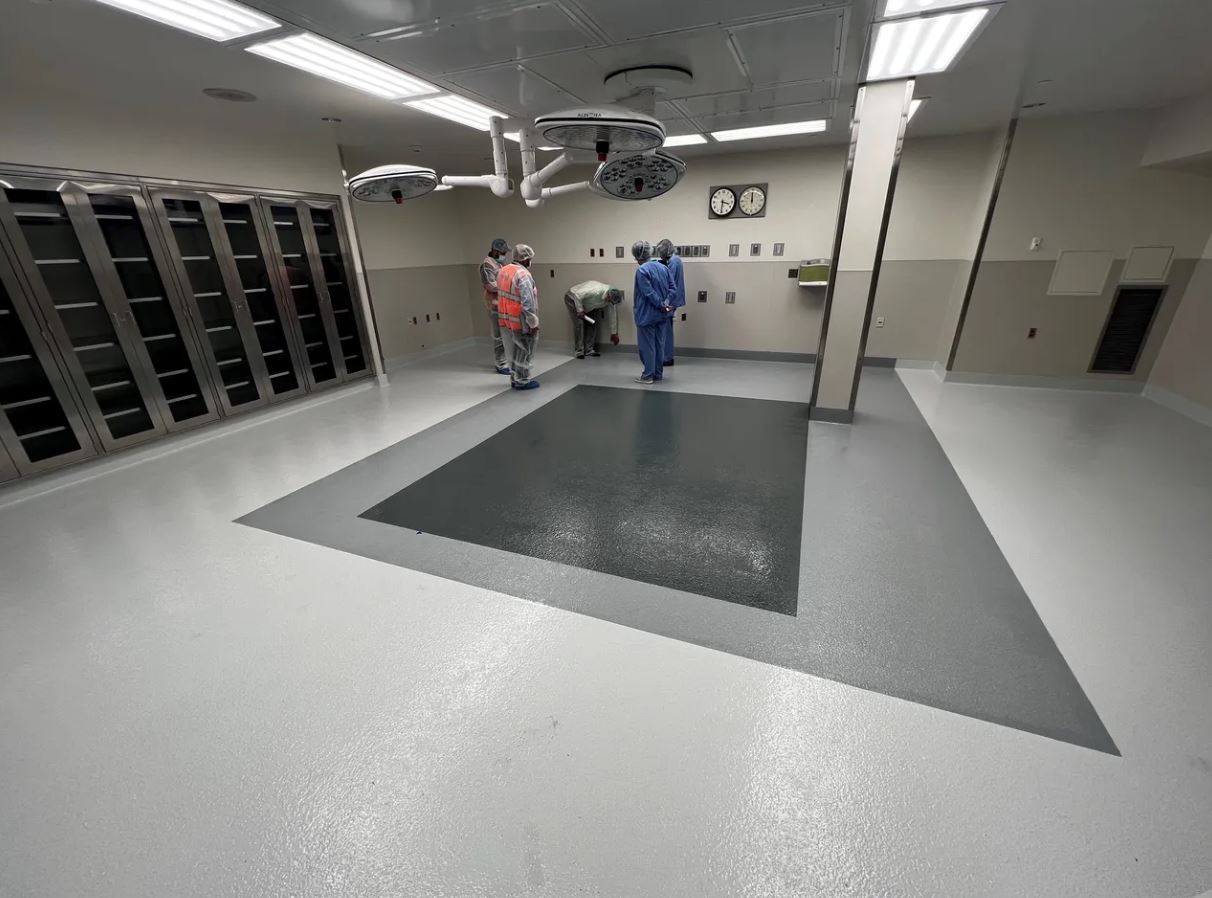
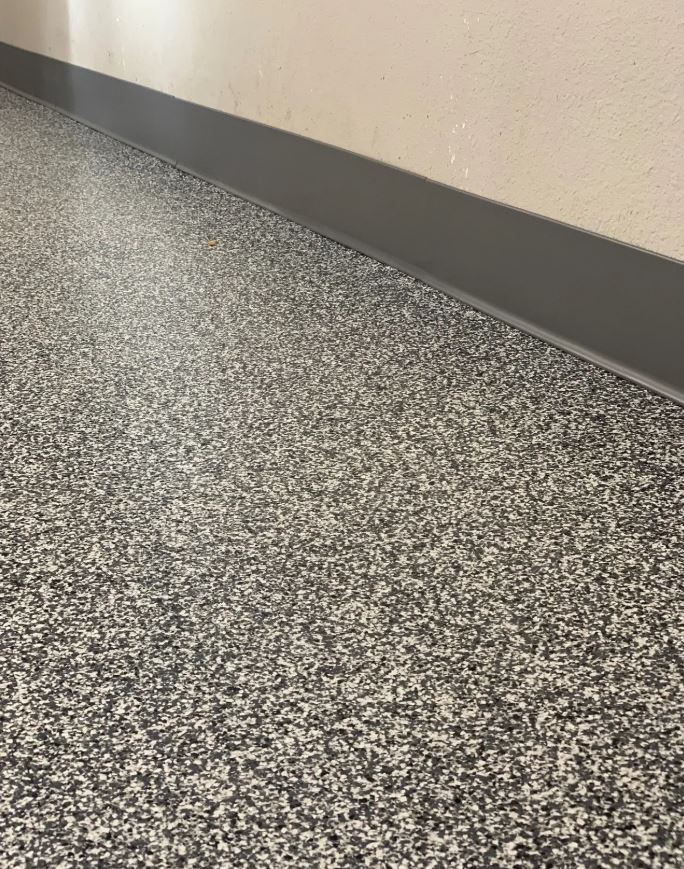
Flake flooring systems involve adding decorative flakes to a wet epoxy coating. Trying to find a reliable Flooring Contractor in Denver homeowners trust for quality floor installation.. This creates a textured floor that looks good, especially in busy places. Consider garages, warehouses, or showrooms. You get a nice-looking surface that is also tough.
Why does flake density matter? It affects how long the floor lasts and how well it works. If the flake density isn't right, the floor won't last or handle heavy use. There are different flakes in sizes, materials, and colors. The density you need depends on the look you want and the floor's expected use.
The process means putting on an epoxy base coat, then adding the flakes while it's wet. Next, you seal it with a topcoat. This topcoat protects the flakes and makes the surface smooth and easy to clean.
Flake systems work well because they hide flaws in the concrete underneath. Also, they make the space look better and work better. Getting the flake density right is important. Too little, and the floor looks bare and doesn't protect enough. Too much, and you could hurt the coating. It’s a balance.
Flake density is very important for flake floors. It affects how well the floor holds up, not just how it looks. The flakes add texture, which improves slip resistance. This is a big deal in places where people walk a lot, like stores or garages.
If you don't get the flake density right, you invite problems. Too few flakes mean you don't get the needed durability or slip resistance. Too many flakes, and the topcoat might not bond well, which can cause chipping and peeling. No one wants that.
Correct density also matters for wear. A good flake system can handle a lot, but if the flakes aren't dense enough, the epoxy underneath can wear away faster. This means you'll need repairs sooner. And no one wants that cost or trouble.
Paying attention to flake density standards is smart. It might seem minor, but it can save money and prevent headaches. A well-done flake floor looks better and lasts longer. Doing it right the first time is worthwhile.
Choosing the right flake type matters in Denver's climate. Epoxy flake systems must handle intense UV exposure and big temperature changes. Choose UV-resistant flakes to avoid fading. Acrylic and vinyl flakes often perform better than cheaper options that may crack. For visual depth and better grip, especially where there's lots of foot traffic, mix flake sizes.
Correct flake density is key for looks and long life. In Denver, aim to fully cover the epoxy with flakes. This gives the most protection from wear. If you don't use enough flakes, the epoxy is open to damage, which causes wear. Always follow the maker's advice on flake-to-epoxy amounts for the best outcome.
Denver's altitude and sunlight mean you must adjust how you put things down. Thin air changes how fast epoxy hardens, so watch the pot life and working time. Stronger UV light at higher places speeds up coating breakdown. Put UV blockers in the epoxy and topcoat to make the floor last. Good airflow is also key, as Denver's dry air can quickly dry out solvents.
A great topcoat is a must for flake systems in busy places. The topcoat seals the flakes, which makes a smooth surface that is easy to clean. In Denver, pick a UV-resistant topcoat to keep the flakes from fading. Put on thin coats, not one thick coat, to stop bubbles. Check the topcoat for wear often, and put on more when needed to keep the floor strong.
Consider where people walk the most. In a house, entryways, hallways, and the kitchen see the most action. Commercial spaces are similar. Retail stores see lots of foot traffic, especially in aisles and checkout areas. Office building hallways also see constant movement.
These high-traffic zones need extra flake density for a couple of reasons. First, wear and tear grinds down the epoxy. More flakes add protection. It's like having more armor. Second, flakes hide scratches and scuffs. The more flakes, the better the floor looks, even after heavy use.
When planning a flake flooring project, consider how the space is used. Where do people walk? Where do things get dragged? Those are your high-density zones. Don't assume every square foot needs the same treatment. If you skip this step, you’ll see worn-out patches fast.
When it comes to flake density, accepted standards exist, but the ideal density depends on the desired look and how much wear the floor will endure. A garage floor sees more action than a closet floor.
The ratio of flake material to resin matters. A light broadcast uses about one pound of flakes per 250 square feet. A full broadcast, where the floor is fully covered, uses about five pounds per 250 square feet. That is a large range.
Here is a quick checklist for acceptable flake density ranges. Remember that these are guidelines:
| Application | Traffic Level | Flake Density (lbs/250 sq ft) | Notes | | ------------------ | ------------- | ----------------------------- | ------------------------------------------------------------------ | | Residential Garage | Medium | 2-3 | A good balance of looks and durability. | | Commercial Kitchen | High | 4-5 | High density hides flaws and provides slip resistance. | | Light Industrial | Medium-High | 3-4 | Durable and easy to clean. | | Retail Space | High | 3-5 | Looks good and handles heavy foot traffic. | | Residential Basement| Low | 1-2 | Mainly for looks; less focus on protection. |
Too few flakes might not deliver the look you want, and the floor might show flaws. Too many flakes risk harming the topcoat, and it might not bond well. Finding the right balance helps create a floor that looks great and lasts.
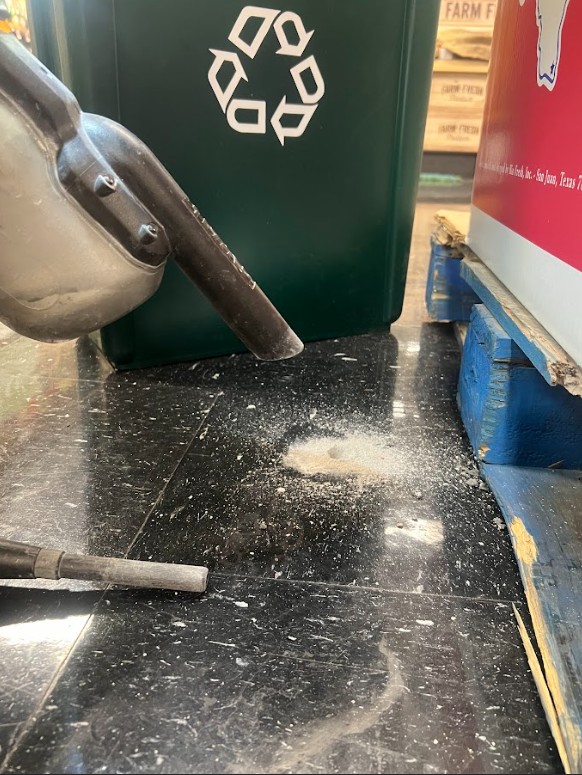
Want a consistent flake density for your flake floor? It's manageable, but you must get some things right.
First, surface prep matters. If the concrete isn't prepped well—grinding, patching cracks, cleaning—the epoxy won't bond, and the flakes will peel. Also, mix the epoxy as the manufacturer says. Wrong ratios mean the epoxy won't cure right, and you'll have a soft, sticky mess.
Next is the flake application. Broadcasting is common; you throw the flakes into the wet epoxy. Seeding is another choice; you sprinkle them precisely. Broadcasting gives a random, full-coverage look, which people often want in busy areas. Aim for full coverage, but not so much that the topcoat can't seal things.
Experienced applicators can help. They know how much to throw, how to throw it evenly, and how to avoid clumps. A common mistake is not throwing enough flakes, which leaves bare spots. Another is throwing too many, which wastes material and makes a bumpy surface. Also, use a good topcoat to lock everything in and make a lasting, easy-to-clean surface. Skip the topcoat, and the flakes will come loose, especially in busy spots.
You have your flake floor installed. How do you know if it’s good? You can't just eyeball it, but that’s a good first step. Look for thin spots where you can see the base coat color. That’s a problem. Also, check for clumps of flakes. You want even distribution.
For a more precise check, pros use a density test. They section off a small area, count the flakes, and compare it to the product specs. If the density is too low, the floor won't wear well, and it won't look right. Too high, and you've wasted material and might have adhesion issues with the topcoat.
Another thing to watch out for is the topcoat. Is it smooth? Are there any bubbles or imperfections? A bad topcoat can ruin the whole thing. It won’t protect the flakes, and the floor will wear out faster.
This is where a professional inspection really pays off. They have the experience to spot issues that a homeowner might miss. They also know the standards and what to look for to ensure the floor will last. It's an investment in the life and look of your floor. Don't skip it.
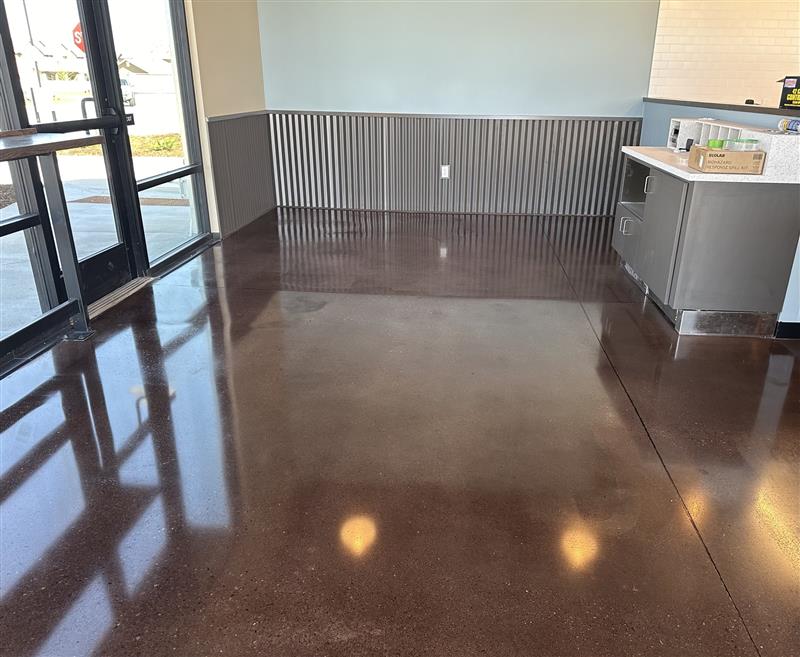
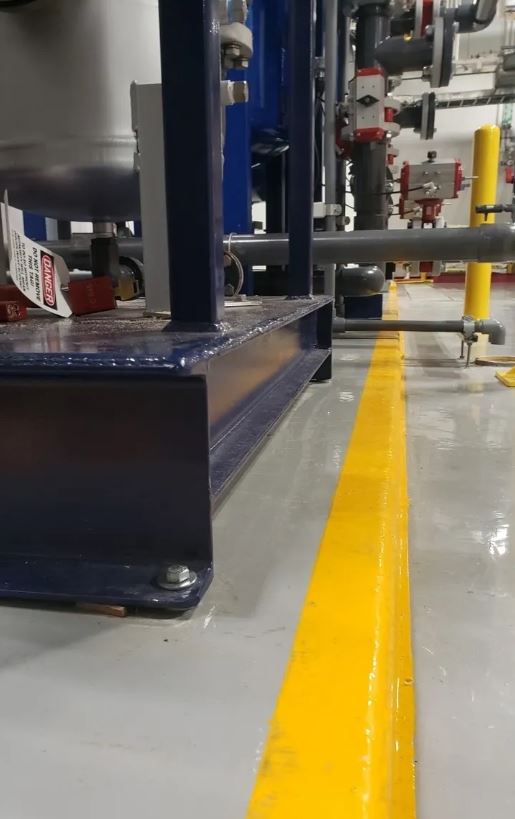
Taking care of your flake flooring helps it look good and last, especially in high-traffic areas. You want your investment to pay off, right?
Cleaning matters. Sweep or vacuum to remove dirt before it grinds into the surface. Clean spills quickly with mild detergent and water. Avoid harsh chemicals because they can dull the finish or damage the flakes.
Protective steps are worth it. Mats at entrances catch dirt and moisture. Furniture pads under chair and table legs prevent scratches and dents. These small steps matter.
Inspect the floor regularly. Look for wear like scratches, chips, or thinning flakes. Fixing these issues early stops them from becoming bigger problems. If you see damage, fix it fast. A touch-up can prevent a large repair.
In short, a little care helps your flake flooring look its best and keeps the flake density you want.
Let's discuss the money side of flake flooring. The cost isn't just about looks. Material costs include the epoxy, flakes, and topcoat sealer. Labor is another factor. A skilled installer will cost more, but it's worth it. Poor work causes peeling and uneven surfaces.
Flake density impacts the price. More flakes mean more money. But a lower flake density and good epoxy can look similar for less. Find the right balance.
Consider the floor's location. A busy commercial kitchen needs more flakes for strength and to hide flaws. A garage can use fewer. Don't use too few flakes, or you might see the concrete. Get quotes, speak to installers, and know what you pay for. It's an investment, so be smart.
Accurate flake density verification in high-traffic areas requires specialized tools and methodologies. Image analysis software can quantify flake distribution from digital photographs. Physical sampling followed by laboratory analysis provides a more detailed assessment of flake concentration per unit area.
Setting acceptable limits for flake loss or degradation is essential for proactive maintenance. Monitoring flake density over time allows for timely interventions to prevent significant deterioration. Defining thresholds helps optimize maintenance schedules and minimize costly repairs.
Maintaining consistent flake density is crucial for both aesthetic appeal and functional performance. Uneven distribution can lead to variations in slip resistance and visual inconsistencies. Regular verification ensures the desired level of safety and visual uniformity is preserved.
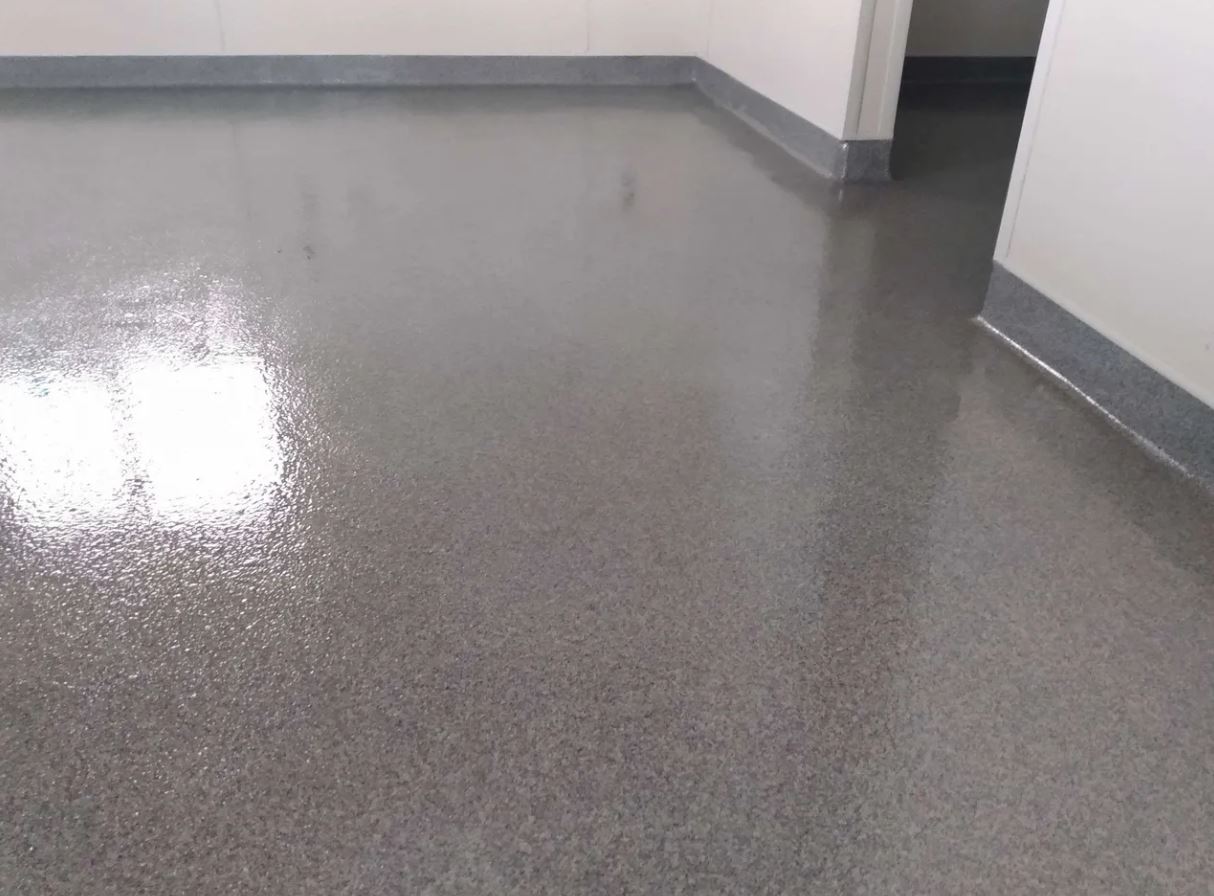
Let's examine some real-world examples of flake flooring in Denver and why flake density matters. We're talking about looks, longevity, and performance, especially in busy areas.
Consider a local brewery. Their taproom's concrete floor was chipped and stained, and it looked bad. We installed a flake system, ensuring the flake density was correct. This is a high-traffic area, so it needed to be durable. Now, after two years, the floor still looks great, even with spills and foot traffic. The owners are happy, and they say it's easier to clean. The before-and-after photos show the difference.
A car dealership is another example. Their service bay floors were a mess, with oil stains and cracks. We installed a flake floor with a high flake density for protection. The flakes hide imperfections, and the thick topcoat seals everything and resists chemicals. They haven't had any issues in three years. The space also looks professional.
Here is why flake density matters. Too little, and you don't get the full benefits. You won't get the same durability or hiding power. Too much, and you might have adhesion problems with the topcoat. Getting it right makes these floors last and look good.
Let's address some common questions about flake flooring. These are the things people often wonder.
How long does flake flooring last? A good flake floor, installed by a pro with quality epoxy and topcoat, should last 10 to 15 years. This is true even in a busy garage or light industrial space. How you use the floor matters. Dragging heavy items across it often will shorten its life.
Is flake flooring slip-resistant? Yes, usually. The flakes add texture, which helps with grip. The type of topcoat is key. A matte or satin finish resists slips better than a high-gloss one. If slip-resistance matters to you, ask about adding a non-slip additive to the topcoat.
How much does flake flooring cost? This is a big question. Prices change based on the area size, the epoxy type, the flake density, and the number of topcoats. Expect to pay more for higher flake density. It takes more material and labor. Don’t choose the cheapest option. Saving on materials or prep work means you'll redo the floor sooner. A good system is an investment.
Flake flooring systems offer a way to get a tough and good-looking floor. They work well in places that see a lot of use. Garages and warehouses are good examples. Retail spaces with lots of foot traffic can also benefit. The flakes go into a wet epoxy coating. This makes a textured surface that looks good and hides flaws in the concrete below. You can pick different flake types, sizes, and colors for the look you want.
Getting the flake density right matters, especially in busy areas. If you don't use enough, you lose the benefits. You want durability, good looks, and the ability to hide flaws. If you use too much, you could hurt the topcoat seal. The topcoat protects the flakes and the epoxy from wear.
That's why you should work with experienced flooring contractors, especially in Denver. They know how to put on the flake system the right way. They make sure you get the right density and a finish that lasts. They also apply the topcoat correctly. This gives you a floor that can handle anything. Don't try a DIY project. Contact us for quotes and advice. Let's get your floors done right.